The clean energy revolution isn’t just about generating renewable power — it’s about
managing it intelligently. As wind, solar, and other renewable sources expand globally, the challenge has shifted from production to precision: how can we integrate these variable resources into the grid efficiently, reliably, and at scale?
The answer lies in
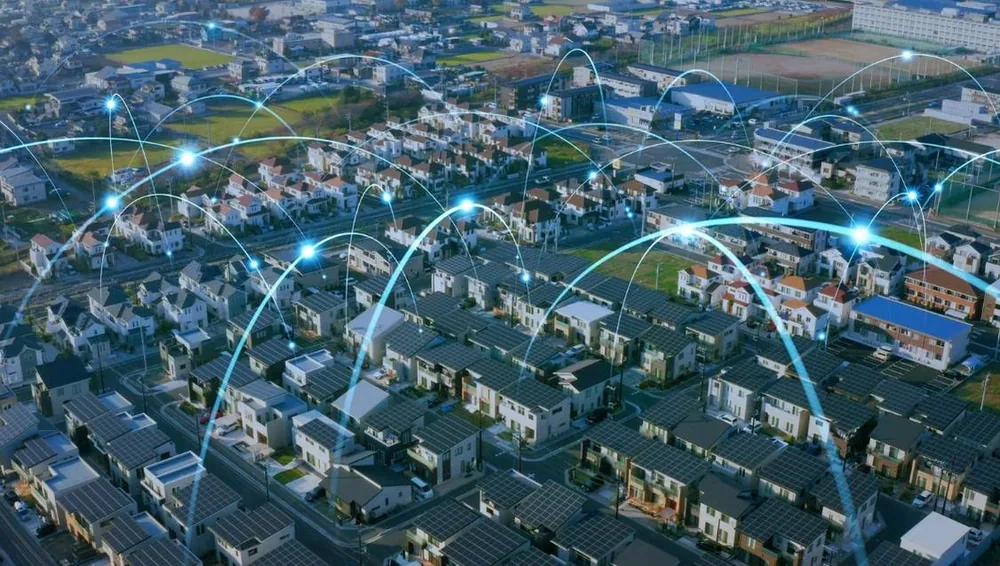
smart grid technology — a digital transformation of traditional power systems that enables two-way communication, real-time data management, and adaptive control. It’s the invisible backbone powering the future of renewable energy adoption.
From Static Systems to Dynamic Networks
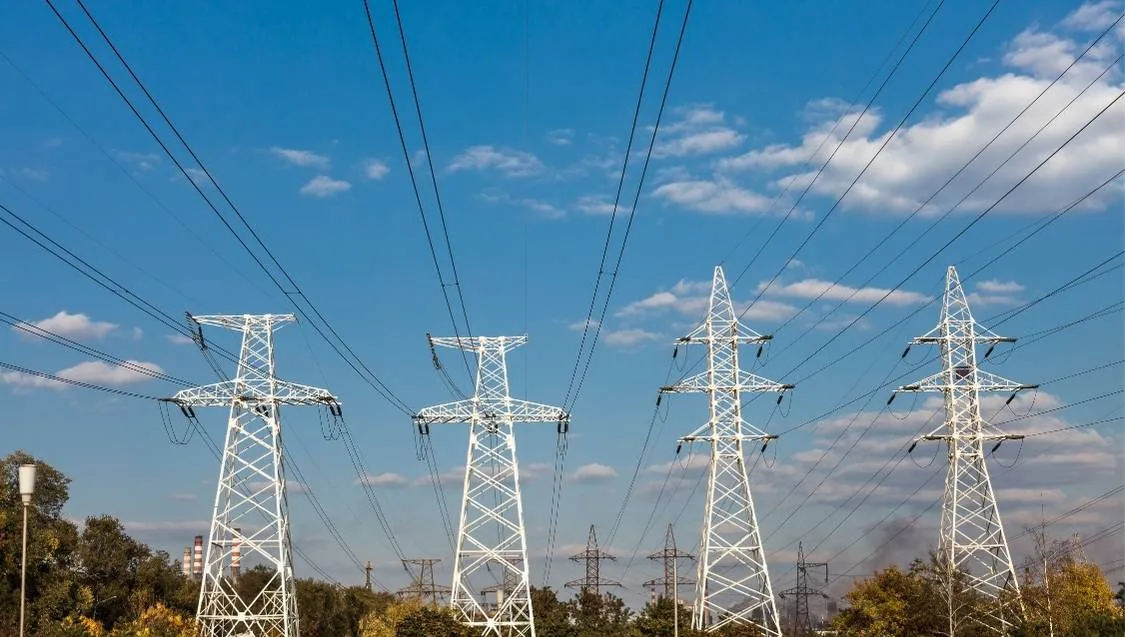
Traditional power grids were built for one-way distribution — from centralized power plants to consumers. They were never designed for decentralized, renewable energy inputs that fluctuate with the sun and wind.
Smart grids redefine that model. By embedding sensors, data analytics, and automated controls throughout the network, they enable
real-time responsiveness. Energy can flow bi-directionally — from producers to consumers, and even back again — allowing distributed energy resources (DERs) such as rooftop solar and battery storage to play an active role in the system.
This dynamic capability turns every node in the network into both a source and a stabilizer, making the entire grid
smarter, cleaner, and more resilient.
Enabling Higher Renewable Penetration
Renewable energy integration often faces one critical obstacle: intermittency. Smart grids solve this by combining data intelligence with demand management.
Through
advanced forecasting and AI-driven analytics, operators can predict energy generation and consumption patterns with unprecedented accuracy. Automated controls then balance supply and demand seamlessly, routing power where it’s needed most and storing excess when generation peaks.
This orchestration ensures that renewable sources are not just supplemental but
central to the energy mix — paving the way for higher renewable penetration without compromising stability or reliability.
Empowering Consumers Through Smart Technologies
Smart grids also redefine the relationship between utilities and consumers. With
smart meters and digital platforms, individuals and businesses gain transparency and control over their energy use.
Consumers can monitor consumption in real-time, adjust usage to lower costs, and even participate in
demand response programs that reward them for reducing energy during peak periods. This transformation turns passive consumers into
active participants in the energy ecosystem, driving behavioral change and collective efficiency.
Enhancing Resilience and Security
As extreme weather events and cyber threats rise, grid resilience has become a top global priority. Smart grids incorporate
self-healing mechanisms — automated systems that detect faults, isolate affected areas, and restore power without human intervention.
Combined with predictive maintenance and distributed architecture, these capabilities create a
stronger, more secure energy infrastructure that can adapt and recover quickly under pressure.
The Intersection of Smart Grids and Sustainability
Beyond operational efficiency, smart grids are a cornerstone of sustainability. By integrating renewable energy, reducing transmission losses, and enabling energy storage optimization, they directly contribute to
lowering carbon emissions and meeting international climate goals.
They also support the rise of
electric vehicles (EVs), microgrids, and community-based renewable projects — all critical components of a decentralized and decarbonized future.
Looking Ahead: The Smart Grid Revolution
The next decade will see smart grids evolve even further through
AI, blockchain, and IoT integration. These technologies will enable autonomous energy trading, peer-to-peer exchange, and ultra-efficient grid operations.
For utilities, investors, and policymakers, the imperative is clear:
embrace digital infrastructure now to unlock the full potential of renewables. The future energy grid won’t just transmit power — it will think, adapt, and optimize in real time.