
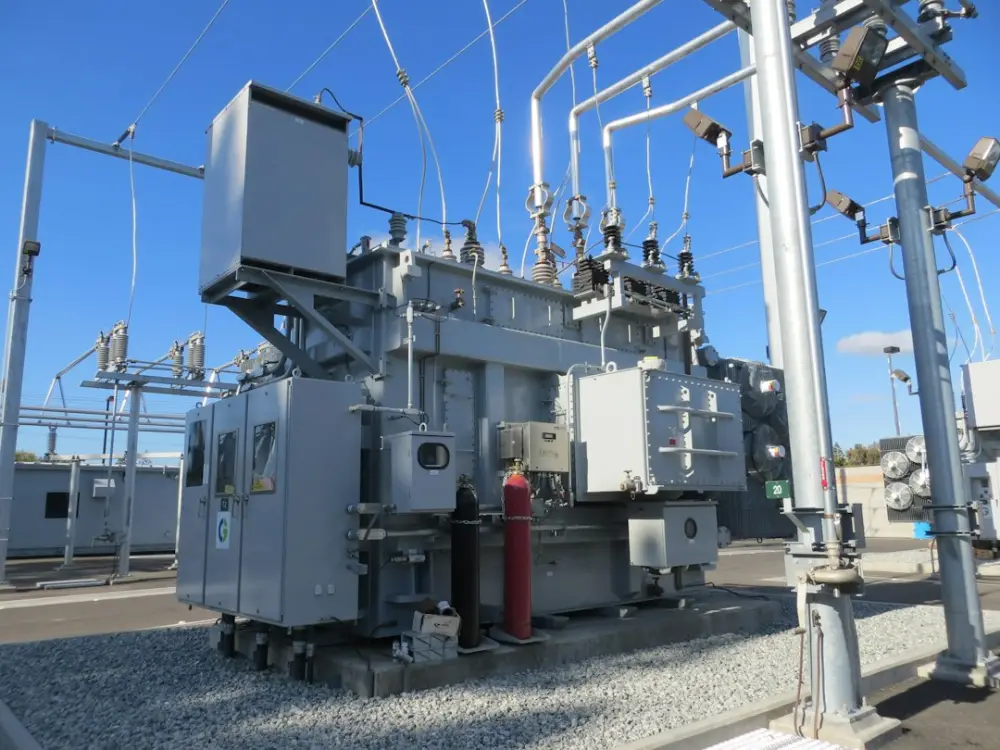
Power grid interconnection projects are some of the most complex engineering feats in the modern energy sector. In 2026, as the transition to renewable energy continues to accelerate, the demand for robust infrastructure to connect offshore wind farms and remote solar arrays to the national grid has reached unprecedented levels. These projects often involve high-risk environments, requiring precise coordination to ensure that temporary structures do not compromise the integrity of existing utilities or the safety of the workforce. The scale of these operations necessitates a specialized approach to site management that prioritizes stability and procedural rigor.
Managing the intersection of civil engineering and high-voltage electrical installation requires a deep understanding of how temporary elements support permanent infrastructure. From the massive foundations of transmission towers to the intricate cabling within a substation, every stage of construction relies on temporary works. These are the elements of a project that are not part of the final structure but are essential for its completion, such as scaffolding, excavation shoring, and temporary access routes for heavy machinery.
Defining Temporary Works in High-Voltage Environments
In the context of power grid infrastructure, temporary works encompass a wide variety of structures and systems. One of the most common requirements is the installation of piling mats. These are stable platforms designed to support the weight of heavy-duty cranes used to lift transformers and switchgear into place. Given that a single transformer can weigh over 300 tonnes, the engineering of these mats is a critical safety task. Any failure in the ground support could lead to a catastrophic tip-over, potentially damaging live grid components and causing regional power outages.
Another common temporary structure in this niche is the use of specialized scaffolding around energized equipment. Unlike standard construction scaffolding, these structures must often be non-conductive or strictly grounded to prevent electrical arcing. Furthermore, shoring systems for underground cable trenches must be designed to withstand the lateral pressure of the soil while providing a safe environment for technicians to install high-voltage cables. These cables are often laid at significant depths, making the structural integrity of the trench walls a primary concern for site safety.
The Essential Role of Oversight and Competency
The management of these risks falls under a structured hierarchy of responsibility that ensures every temporary installation is verified before use. Large-scale energy projects necessitate a rigorous management plan where a Temporary Works Coordinator acts as the primary point of contact between the design team and the site operatives. This individual is responsible for maintaining a comprehensive register of all temporary works on-site, ensuring that each one has a corresponding design that has been checked for adequacy by a competent engineer.
The role involves more than just administrative oversight; it requires a proactive approach to site inspections. The coordinator must verify that the ground conditions on-site match the assumptions made during the design phase. For instance, if unexpected groundwater is discovered during the excavation for a substation foundation, the temporary shoring design may need to be revised immediately. By maintaining a clear line of communication between all stakeholders, the coordinator prevents the use of uncertified or unsafe structures, which is vital in the high-stakes environment of grid interconnection.
Managing Load Capacities for Heavy Plant Equipment
Grid infrastructure often requires the movement of exceptionally heavy loads across terrain that may not naturally support such weight. Temporary haul roads and bridges must be engineered to withstand the axle loads of multi-axle trailers carrying heavy-duty electrical components. The coordination involves calculating ground bearing pressures and implementing soil stabilization techniques where necessary. If a temporary road fails during a transformer delivery, it can delay a project by months and cost millions in logistics and repairs. This article provides general information and does not constitute professional engineering or legal advice.
Engineers must also account for dynamic loads, such as the vibrations caused by heavy machinery or the wind loads acting on high-reaching cranes. In 2026, the use of geotechnical sensors has become standard practice for monitoring the stability of these temporary routes. These sensors provide real-time data to the management team, allowing them to stop operations if the ground begins to shift or settle beyond acceptable limits. This level of technical oversight ensures that the logistics of grid construction do not jeopardize the safety of the site or the surrounding environment.
Regulatory Compliance and Industry Standards
Compliance with updated safety standards is non-negotiable for modern energy projects. The BS 5975 code of practice remains the industry benchmark for the procedural control of temporary works. It outlines the necessity of clear communication and the appointment of competent persons to manage every stage of the process. Regulatory bodies now place a higher emphasis on the "Permit to Load" and "Permit to Unload" systems. These documents provide a formal audit trail, proving that a structure has been inspected and deemed safe for its intended use by the designated authorities.
This permit system acts as a final safeguard. Before any weight is placed on a temporary structure—whether it is a scaffold platform or a trench support—a physical inspection must be conducted to ensure it matches the approved drawings. Any deviations must be corrected and re-inspected. In the event of an incident, these records are essential for demonstrating that the project followed the required safety protocols and met the legal obligations set out by health and safety executives. This level of documentation is particularly important in the energy sector, where the complexity of projects often involves multiple tiers of subcontractors.
Mitigating Risks During Substation Expansion
Expanding existing substations presents unique challenges compared to greenfield sites. Temporary works must often be installed in confined spaces with limited clearance from energized busbars and live transformers. This requires specialized non-conductive scaffolding and precision-engineered hoarding to prevent dust and debris from affecting sensitive electrical equipment. The coordination between the civil engineering teams and the electrical commissioning teams is essential to prevent accidental contact with live parts.
In these environments, the "Safe System of Work" must be integrated with the temporary works design. For example, if an excavation is required near existing underground high-voltage cables, the shoring must be installed using methods that do not involve heavy vibration or mechanical digging that could strike a cable. Hand-digging and vacuum excavation are often used in conjunction with temporary supports to ensure the safety of the operatives and the continuity of the power supply. The integration of these safety measures into the temporary works plan is a hallmark of a well-managed infrastructure project.
Digital Integration and Environmental Mitigation
The use of Building Information Modeling (BIM) has transformed how temporary works are managed in 2026. 4D modeling allows engineers to visualize the sequence of temporary works alongside the permanent construction. This helps in identifying potential clashes before they occur on-site, such as a crane outrigger being placed too close to a temporary excavation. Digital twins of the site can be updated daily to reflect the current state of construction, providing the management team with an accurate overview of all temporary installations.
Environmental considerations also play a significant role in the design of temporary works for grid projects. In many cases, interconnection lines pass through protected ecological zones or agricultural land. Temporary access roads must be designed to be fully removable, with minimal impact on the soil structure. Recycled plastic ground mats and modular steel bridging are increasingly used to reduce the carbon footprint of the construction phase. Once the permanent infrastructure is in place, the removal of these temporary elements must be followed by land restoration to ensure that the project meets its environmental sustainability targets.