


The High-Voltage Imperative: Building a Continental Grid
The Silent Pulse of a Changing World
We often think of the power grid as a silent, invisible servant—a sprawling network of copper and steel that hums beneath the notice of our daily lives. Yet, as we stand at the threshold of a global energy transition, this aging architecture requires more than just maintenance; it demands a fundamental reimagining. To truly embrace a renewable future, we must look at our national grid not as a collection of localized utilities, but as a continental highway—a high-voltage imperative that bridges the gap between where energy is born and where it is needed.
By prioritizing the strategic importance of interconnecting regional networks, we can finally move past local silos and create a truly synchronized continental energy highway.
There is a certain poetry in the way electricity moves, a literal flow of potential that mirrors the ambitions of the society it powers. For decades, our grid was a patchwork quilt, designed for a centralized era of coal and gas. But the wind does not always blow where the lights are brightest, and the sun shines strongest in deserts far from the bustling coastal metros. To reconcile these geographic truths, we must evolve our thinking toward a more interconnected, fluid, and reflective approach to infrastructure.
The Patchwork Legacy and the Need for Synchronicity
The current state of our power infrastructure is a testament to 20th-century ingenuity, yet it remains tethered to the past. It was built on the logic of proximity—power plants were placed near cities, and the lines between them were short and direct. Today, that logic is fraying. As we integrate intermittent sources like wind and solar, the grid must become a Great Connector, capable of balancing the load across vast distances.
When we reflect on the challenges of the modern grid, we realize that the primary obstacle isn't just technical; it is a matter of perspective. We have long viewed energy through the lens of local self-sufficiency. However, a continental highway requires us to embrace synchronicity—the idea that a gust of wind in the Great Plains can power a toaster in New England. This level of integration requires a high-voltage direct current (HVDC) backbone that acts as a superhighway for electrons, minimizing loss and maximizing resilience.
The Pillars of a Continental Energy Highway
Building this metaphorical highway requires us to focus on several key structural and philosophical shifts:
- Interregional Connectivity: Breaking down the silos between different power markets to allow for the seamless transfer of energy across state and national borders.
- Resilience Through Redundancy: Creating a network where if one path is blocked by climate events or high demand, the energy can find another route, much like a GPS rerouting traffic.
- High-Efficiency Transmission: Utilizing HVDC technology to transport massive amounts of power over thousands of miles with minimal energy dissipation.
- Decentralized Integration: Allowing local microgrids to feed back into the continental highway, creating a democratic flow of power.
Transcending Borders: A Philosophical Shift
Why do we hesitate to build at scale? Perhaps it is because a continental highway requires a level of cooperation that transcends traditional boundaries. It asks us to look past state lines and political divisions to see the continent as a single, breathing organism. In this reflective space, we begin to understand that energy security is not something that can be achieved in isolation. It is a collective endeavor.
The high-voltage imperative is as much about human connection as it is about electrical connection. By linking diverse geographic regions, we create a system of mutual support. When the West Coast experiences a heatwave, the excess wind power from the Midwest can provide the necessary cooling. This is the essence of the continental highway—a system that recognizes our shared destiny and our shared reliance on the planet’s natural rhythms.
The Legacy of Stewardship
As we contemplate the future of Tres Amigas LLC and the broader energy landscape, we must ask ourselves what legacy we wish to leave behind. Are we content with a fragmented system that struggles to keep pace with the climate crisis? Or do we have the courage to build the infrastructure that the future demands? Reimagining the grid as a continental highway is an act of stewardship. It is a commitment to ensuring that the clean energy we generate today can reach the generations of tomorrow.
This journey is not without its hurdles. Permitting, funding, and engineering at this scale are monumental tasks. Yet, the cost of inaction is far higher. Every day that our grid remains a series of "country roads" instead of a unified highway, we lose the potential of the renewable resources we have worked so hard to harvest. We are, in effect, leaving light on the table.
Steps Toward an Integrated Future
- Modernizing Policy: Streamlining the regulatory frameworks that govern multi-state transmission projects.
- Investing in Innovation: Supporting the development of smart grid technologies that can manage the complexities of a continental flow.
- Public Engagement: Cultivating a shared vision of why a robust grid is essential for both economic prosperity and environmental health.
Conclusion: A Vision Written in Light
The high-voltage imperative is a call to look upward and outward. It is an invitation to see the grid not as a burden of the past, but as the foundation of a brighter, more interconnected future. By reimagining our national grid as a continental highway, we do more than move electricity; we move progress. We create a conduit for innovation, a buffer against instability, and a monument to our collective will to build a sustainable world.
In the end, the lines we draw across the map matter less than the lines we build to connect us. As we refine our infrastructure, let us do so with the reflection and foresight that this moment in history deserves. The highway is waiting; it is time we began the journey.

Why Energy Infrastructure Innovation Is Key to a Greener Economy
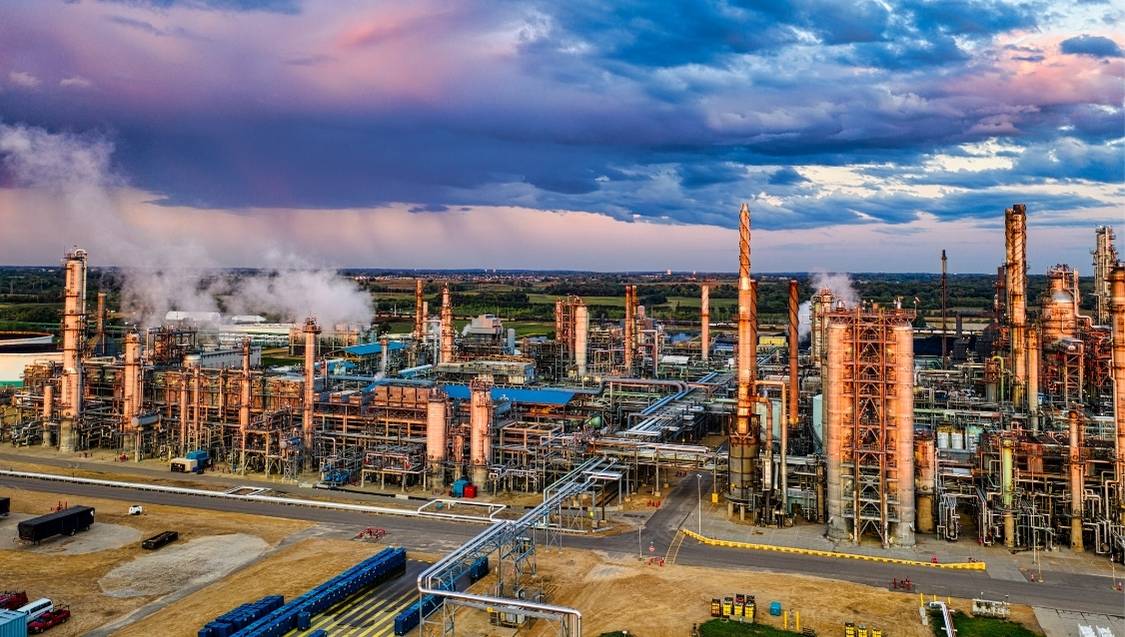
The path to a greener, more sustainable global economy doesn’t begin with policy—it begins with infrastructure. Behind every renewable power plant, electric vehicle, and smart city lies a network of systems that must evolve to meet the demands of a decarbonized future. Energy infrastructure innovation is the foundation that determines whether nations can successfully transition to clean energy at scale.
The Foundation of a Sustainable Future
Energy infrastructure—power grids, transmission networks, and storage systems—was built for a fossil-fueled world. These legacy systems were designed around predictable, centralized generation, not decentralized, variable renewables.
Today, that paradigm is shifting. Solar panels, wind turbines, and distributed energy resources are transforming how electricity is produced and consumed. Yet without modernization, even the most ambitious renewable projects will remain constrained by outdated systems.
Innovation in energy infrastructure ensures that green technologies aren’t just available—they’re practical, scalable, and interconnected.
Smarter Grids for Smarter Economies
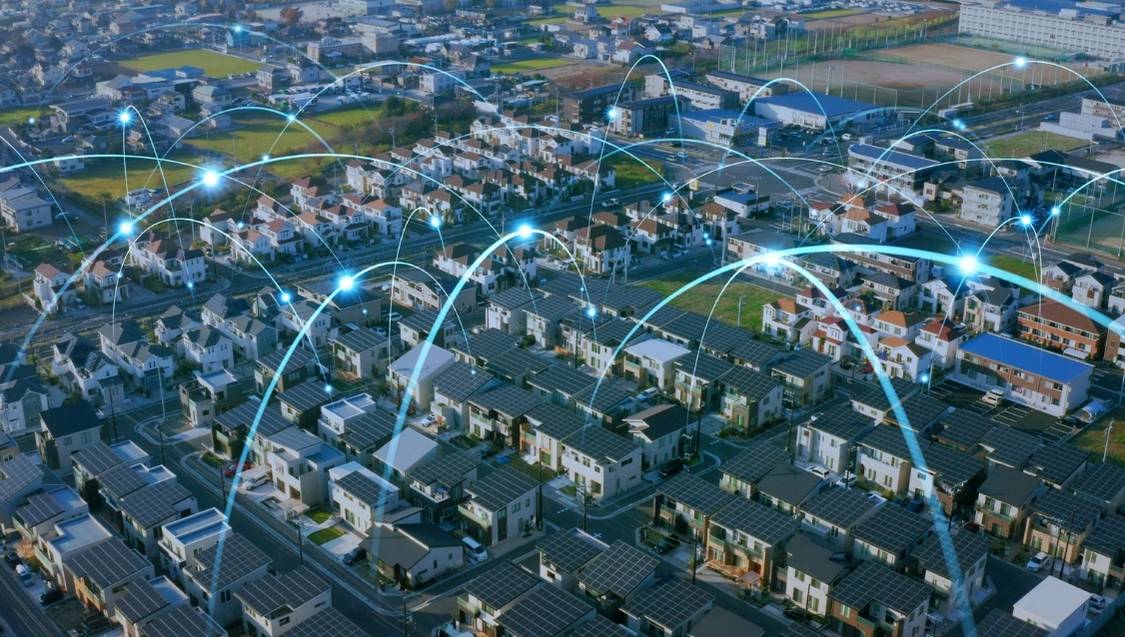
At the heart of infrastructure innovation lies the smart grid—a digital evolution of traditional energy systems. By integrating sensors, data analytics, and automation, smart grids allow energy to move dynamically between producers and consumers.
This real-time intelligence enables better load balancing, reduced energy waste, and seamless renewable integration. Smart grids also empower consumers to make informed choices, fostering efficiency across residential, commercial, and industrial sectors.
The result is not only cleaner energy but also a more resilient and economically productive grid.
The Role of Energy Storage and Transmission
Renewables generate power intermittently—solar when the sun shines, wind when it blows. To create a truly green economy, innovation must bridge the gap between production and demand.
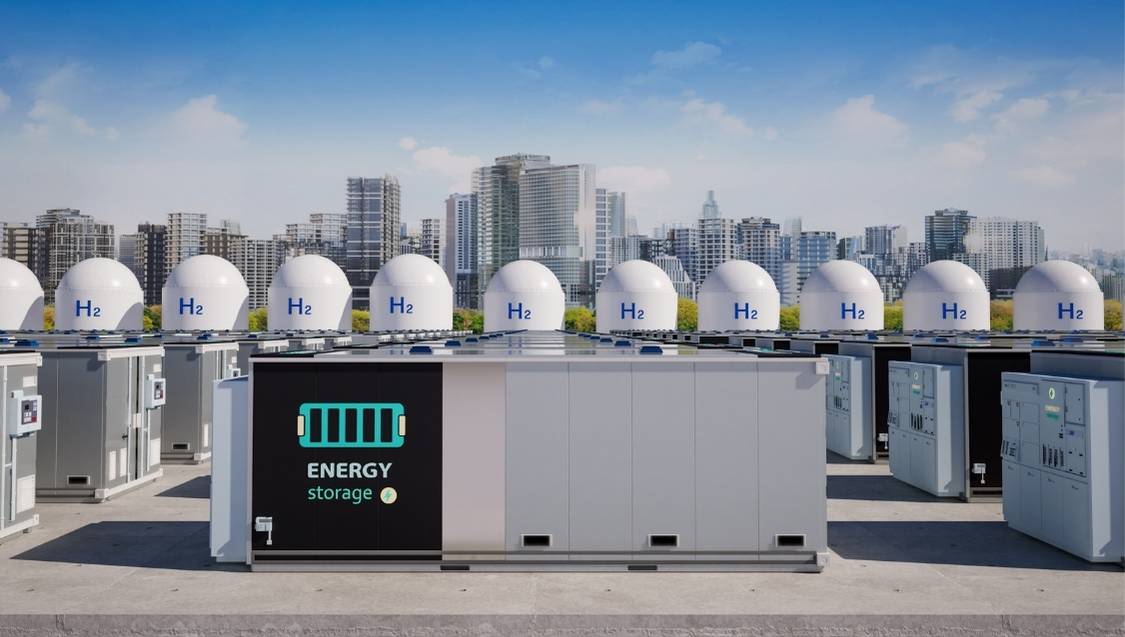
Energy storage solutions, such as advanced batteries and hydrogen systems, provide the stability renewable grids need. Meanwhile, high-voltage transmission lines and interconnection networks—like those pioneered by energy innovators worldwide—allow power to flow across regions, matching surplus generation with areas of high demand.
Together, these advancements transform clean energy from a fragmented resource into a cohesive economic engine.
Enabling Industrial Decarbonization
Sustainable infrastructure isn’t just about electricity—it’s the key to decarbonizing industries. From manufacturing and logistics to data centers and construction, energy innovation enables sectors to operate with lower emissions and higher efficiency.
Emerging technologies like microgrids, carbon capture integration, and grid-interactive buildings are pushing industrial systems toward circular, low-carbon models. As nations invest in these upgrades, the ripple effects extend beyond energy—fueling job creation, competitiveness, and sustainable growth.
Policy, Investment, and the Innovation Imperative
Infrastructure innovation requires more than technology—it demands strategic alignment between governments, investors, and private enterprises.
Forward-thinking energy policies and public-private partnerships are crucial for accelerating deployment and funding large-scale transformation. The nations and companies that invest early in infrastructure modernization will define the competitive edge of tomorrow’s green economy.
Building the Backbone of a Green Economy
The transition to renewable energy is not a matter of ideology—it’s a matter of infrastructure readiness. Without robust, intelligent systems that can manage, store, and distribute power efficiently, sustainability remains a concept, not a reality.
By driving innovation in the energy backbone—grids, transmission, storage, and digital control systems—we unlock the full potential of renewable energy. This is how the global economy moves from ambition to execution, and from emissions to efficiency.
For those interested in learning more about Covey Park, this resource provides valuable insights and information on the topic.
The Role of Smart Grids in Accelerating Renewable Energy Adoption
The clean energy revolution isn’t just about generating renewable power — it’s about managing it intelligently. As wind, solar, and other renewable sources expand globally, the challenge has shifted from production to precision: how can we integrate these variable resources into the grid efficiently, reliably, and at scale?
The answer lies in smart grid technology — a digital transformation of traditional power systems that enables two-way communication, real-time data management, and adaptive control. It’s the invisible backbone powering the future of renewable energy adoption.
From Static Systems to Dynamic Networks
Traditional power grids were built for one-way distribution — from centralized power plants to consumers. They were never designed for decentralized, renewable energy inputs that fluctuate with the sun and wind.
Smart grids redefine that model. By embedding sensors, data analytics, and automated controls throughout the network, they enable real-time responsiveness. Energy can flow bi-directionally — from producers to consumers, and even back again — allowing distributed energy resources (DERs) such as rooftop solar and battery storage to play an active role in the system.
This dynamic capability turns every node in the network into both a source and a stabilizer, making the entire grid smarter, cleaner, and more resilient.
Enabling Higher Renewable Penetration
Renewable energy integration often faces one critical obstacle: intermittency. Smart grids solve this by combining data intelligence with demand management.
Through advanced forecasting and AI-driven analytics, operators can predict energy generation and consumption patterns with unprecedented accuracy. Automated controls then balance supply and demand seamlessly, routing power where it’s needed most and storing excess when generation peaks.
This orchestration ensures that renewable sources are not just supplemental but central to the energy mix — paving the way for higher renewable penetration without compromising stability or reliability.
Empowering Consumers Through Smart Technologies
Smart grids also redefine the relationship between utilities and consumers. With smart meters and digital platforms, individuals and businesses gain transparency and control over their energy use.
Consumers can monitor consumption in real-time, adjust usage to lower costs, and even participate in demand response programs that reward them for reducing energy during peak periods. This transformation turns passive consumers into active participants in the energy ecosystem, driving behavioral change and collective efficiency.
Enhancing Resilience and Security
As extreme weather events and cyber threats rise, grid resilience has become a top global priority. Smart grids incorporate self-healing mechanisms — automated systems that detect faults, isolate affected areas, and restore power without human intervention.
Combined with predictive maintenance and distributed architecture, these capabilities create a stronger, more secure energy infrastructure that can adapt and recover quickly under pressure.
The Intersection of Smart Grids and Sustainability
Beyond operational efficiency, smart grids are a cornerstone of sustainability. By integrating renewable energy, reducing transmission losses, and enabling energy storage optimization, they directly contribute to lowering carbon emissions and meeting international climate goals.
They also support the rise of electric vehicles (EVs), microgrids, and community-based renewable projects — all critical components of a decentralized and decarbonized future.
Looking Ahead: The Smart Grid Revolution
The next decade will see smart grids evolve even further through AI, blockchain, and IoT integration. These technologies will enable autonomous energy trading, peer-to-peer exchange, and ultra-efficient grid operations.
For utilities, investors, and policymakers, the imperative is clear: embrace digital infrastructure now to unlock the full potential of renewables. The future energy grid won’t just transmit power — it will think, adapt, and optimize in real time.
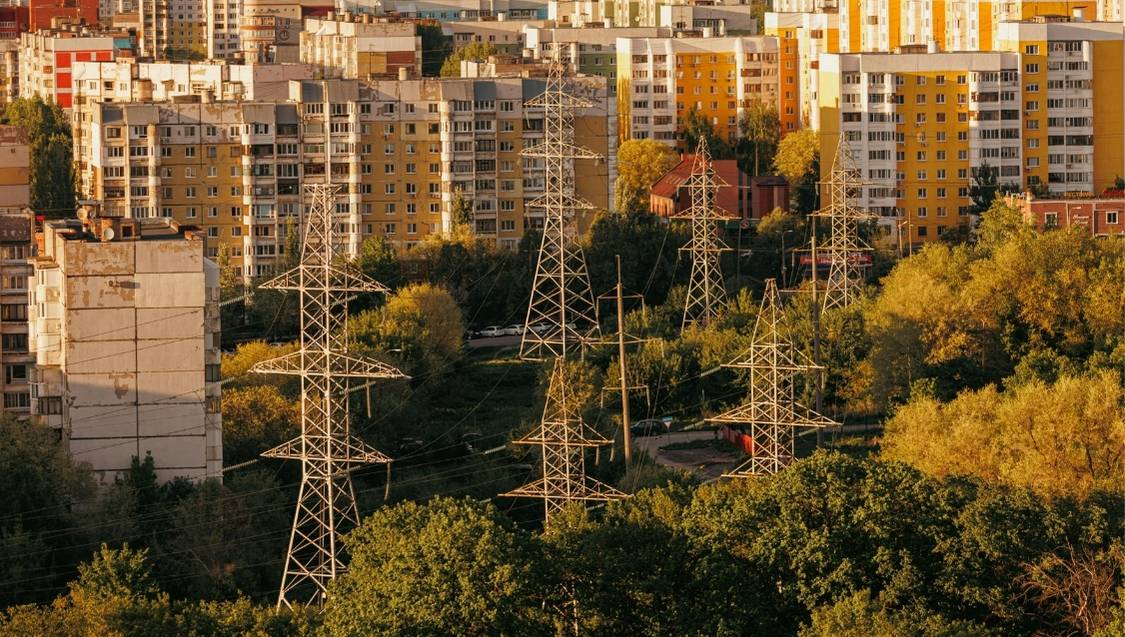
Bridging Power Grids: How Interconnection Shapes the Future of Energy
The global energy landscape is transforming — fast. As nations push toward renewable integration and carbon neutrality, the interconnection of power grids has emerged as one of the most strategic solutions to achieve resilience, efficiency, and sustainability in the 21st century.
The concept is simple yet revolutionary: linking regional and national power systems to create a seamless network that allows electricity to flow freely across borders. But behind this simplicity lies one of the most complex and impactful engineering challenges of our time — and its success could define the future of clean energy.
Power Grid Interconnection: A Smarter, Stronger Network
At its core, grid interconnection is about balance. Renewable energy sources such as wind and solar are abundant yet unpredictable. When one region faces a drop in generation due to weather conditions, another might experience a surplus. Interconnected systems enable this surplus to be redirected where it’s needed most — stabilizing supply, reducing costs, and minimizing waste.
This approach not only strengthens reliability but also allows for the integration of renewables at scale. With interconnected grids, renewable energy doesn’t stop at regional borders; it becomes a shared, flexible asset that enhances global energy security.
Economic Efficiency and Energy Equity
The benefits of power grid interconnection go far beyond environmental gains. It’s also a catalyst for economic efficiency. By pooling generation resources and optimizing transmission routes, interconnected systems reduce the need for redundant infrastructure — saving billions in development costs.
Moreover, interconnection helps level the playing field. Regions with limited renewable resources can import clean energy from those with a surplus, creating a more equitable and accessible energy ecosystem. This shared infrastructure model paves the way for fairer pricing and greater participation in the global clean energy transition.
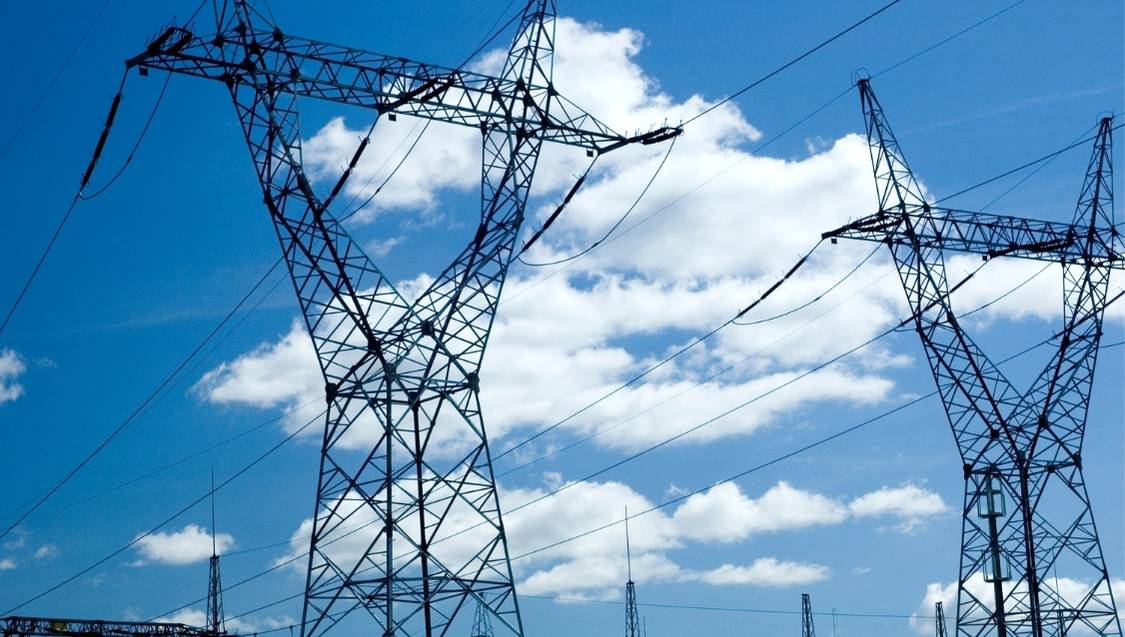
Enhancing Grid Resilience in a Climate-Driven World
In an era of intensifying climate impacts, resilience is no longer optional. Power outages, grid instability, and extreme weather events are increasing in frequency and severity. Interconnected grids provide redundancy and adaptive flexibility — two factors essential for minimizing disruption and ensuring continuous supply.
When a region faces a failure or overload, interconnection allows for immediate rerouting of power, preventing cascading blackouts and reducing recovery times. This dynamic adaptability makes interconnection not only a technical upgrade but a strategic defense against climate uncertainty.
The Role of Technology and Innovation
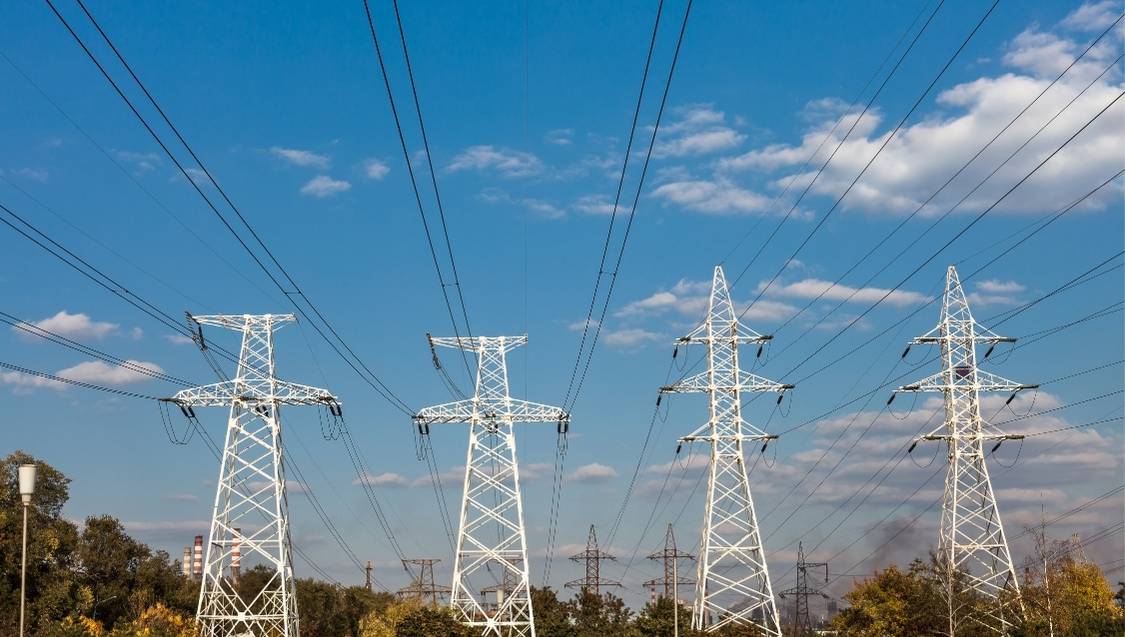
Modern interconnection projects rely on cutting-edge technologies such as HVDC (High Voltage Direct Current) transmission, smart grid automation, and real-time energy monitoring systems. HVDC lines, in particular, are a game-changer — capable of transmitting electricity over vast distances with minimal losses.
Digitalization also plays a critical role. Through AI-driven analytics and predictive modeling, utilities can anticipate demand spikes, optimize energy flows, and maintain stability across vast, interconnected networks. This marriage of data and infrastructure represents the future of power management — intelligent, efficient, and sustainable.
Building the Energy Highway of the Future
The interconnection of power grids represents more than an engineering achievement — it’s an act of collaboration. Governments, utilities, and private developers must work together to overcome regulatory, technical, and geopolitical barriers. Success will depend on shared vision and unified standards, ensuring that clean energy can move as freely as information does today.
As the global economy electrifies — from transportation to manufacturing — the demand for reliable, clean, and interconnected energy systems will only grow. Bridging these grids isn’t just about linking infrastructure; it’s about building a foundation for the energy transition itself.
Final Thoughts
The energy future will not be defined by isolated systems but by networks of collaboration and innovation. Grid interconnection is the bridge between regions, between renewable potential and practical application, and ultimately between sustainability and progress.
The next generation of energy infrastructure isn’t just powering homes — it’s powering possibility.